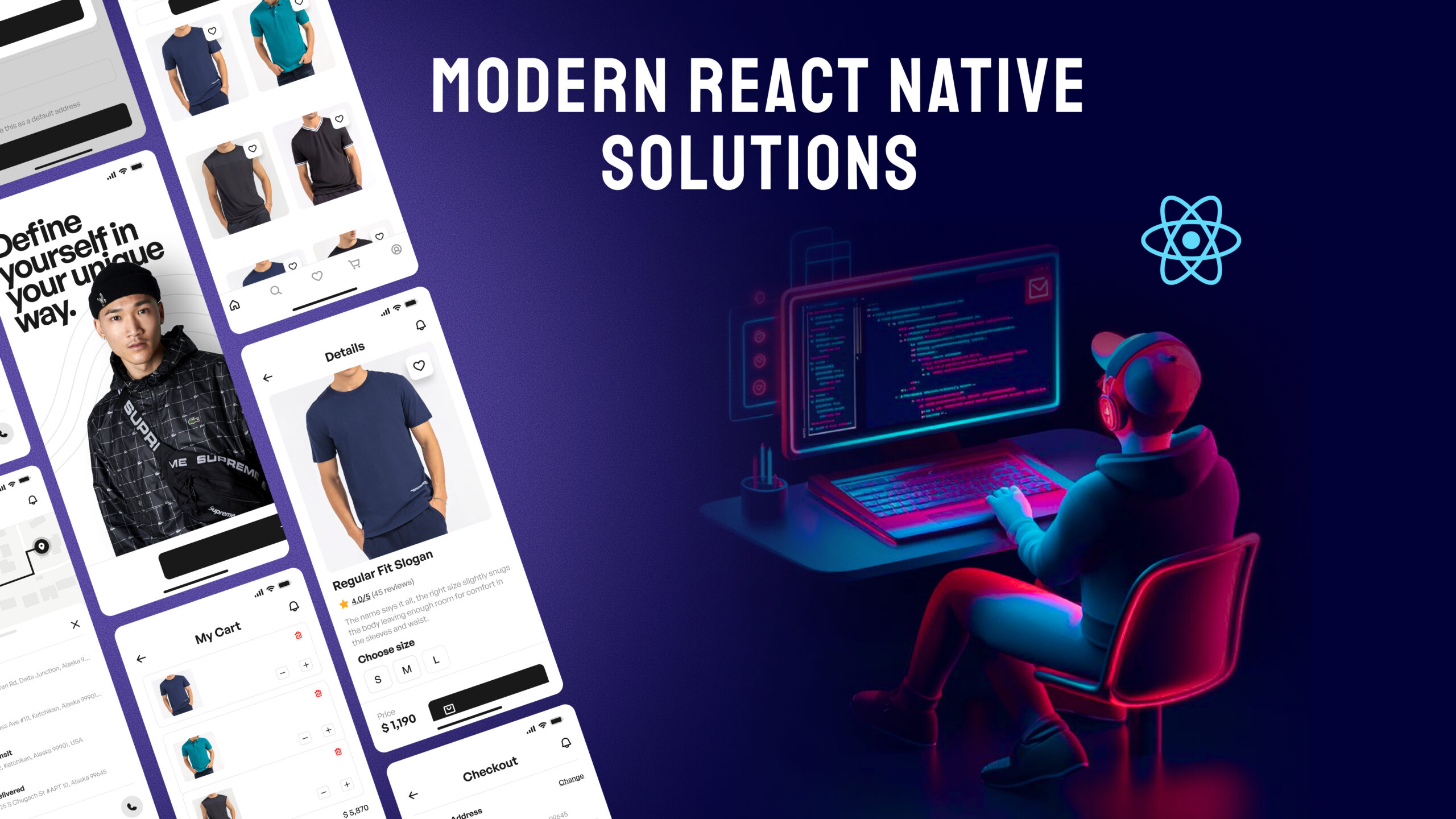
Mobile apps are no longer optional for businesses. Customers now expect apps to be fast, easy to use, and reliable. Whether it’s shopping, booking services, or managing accounts, people want apps that work smoothly without delays or confusion.
By 2026, these expectations are even higher. Users don’t have patience for slow or buggy apps. That’s why many businesses are choosing React Native for mobile app development. It helps companies build apps for both Android and iPhone simultaneously, saving time and costs.
But the success of a mobile app doesn’t depend only on the technology. It depends on the people building it. Choosing the right React Native developer or a trusted React Native development agency makes a big difference.
This blog explains React Native app trends in simple words and what businesses can realistically expect from developers and agencies in 2026.
What Is React Native? (In Simple Words)
React Native lets you build mobile apps without creating two separate versions—one for Android and one for iPhone. Instead, developers write most of the app once, and it works on both platforms.
Businesses like React Native app development because it:
- Takes less time to build apps
- Costs less than building two separate apps
- Makes updates easier
- Offers a similar experience on both Android and iOS
For many businesses, it’s a practical and wise option.
Why React Native Is Still Popular in 2026
React Native is not new, but it keeps improving. In 2026, it remains a strong choice because it has become more stable, faster, and easier to work with.
Businesses continue to choose it because:
- Apps perform better than before
- A large developer community supports it
- Updates and fixes are regular
- It works well with modern systems
A good React Native development company knows how to use these improvements to build reliable apps.
Key React Native App Development Trends in 2026
1. Speed Is a Top Priority
Users expect apps to open quickly and run smoothly. Slow apps are deleted fast.
Experienced React Native developers focus on improving app speed, reducing loading time, and making navigation smooth—even on older phones.
2. Simple and Clean App Design
In 2026, users prefer apps that are easy to understand. Too many features or complicated screens push users away.
A professional React Native development agency focuses on:
- Simple layouts
- Clear buttons
- Easy navigation
- Smooth user flow
This helps users feel comfortable using the app.
3. Same Experience on Android and iPhone
One significant benefit of React Native is consistency. Apps should feel the same on both platforms.
Good developers ensure users have a smooth experience, whether they’re on Android or iOS, without strange bugs or differences.
4. Easier Updates and Fixes
Businesses don’t want to rebuild apps every time something changes. React Native allows quicker updates.
A reliable React Native development company builds apps in a way that makes future changes simple and less expensive.
5. Better Connection With Other Systems
Apps often need to connect with payment systems, customer databases, or analytics tools.
In 2026, React Native app development focuses on making these connections smooth so the app works well with the rest of the business.
What a React Native Developer Offers in 2026
A good React Native developer does more than just code. They understand how people use apps and what businesses need.
They usually help with:
- Building custom mobile apps
- Fixing bugs and issues
- Improving app speed
- Updating features
- Supporting the app after launch
Their goal is to ensure the app works properly in real-world use.
What React Native Development Agencies Offer
A React Native development agency provides complete app solutions, not just development.
Most agencies handle:
- Planning the app
- Designing the app screens
- Building and testing the app
- Helping with app store submission
- Providing ongoing support
For businesses seeking peace of mind, working with a React Native development company is often safer than managing everything in-house.
Agency vs Freelancer: What’s Better?
Freelancers can be helpful for minor updates or simple apps. But complete app projects usually need a team.
A React Native development agency offers:
- Multiple developers
- Proper testing before launch
- Clear timelines
- Better communication
- Long-term support
For businesses planning serious growth, agencies are usually the better option.
Why Businesses Choose React Native for Mobile Apps
Businesses continue to invest in React Native development because it offers:
- Faster app launch
- Lower development cost
- Easy maintenance
- Ability to grow as users increase
When handled by skilled React Native developers, it delivers substantial value.
How to Choose the Right React Native Development Agency
Before hiring, businesses should ask:
- Have they built React Native apps before?
- Can they show real examples?
- Do they offer support after launch?
- How do they handle testing and performance?
- Is communication clear and regular?
A trustworthy React Native development agency will answer these clearly.
Common Mistakes Businesses Should Avoid
- Choosing the cheapest option
- Ignoring app performance
- Skipping testing
- Not planning for future updates
- Hiring developers without mobile experience
A professional React Native development company helps avoid these problems.
The Future of React Native App Development
React Native continues to improve. In the coming years, apps will become:
- Faster
- More stable
- Easier to update
- Better connected with business systems
This makes React Native a good choice for long-term mobile app plans.
Conclusion
In 2026, a successful mobile app must be fast, simple, and reliable. React Native app development remains a wise choice for businesses seeking high-quality apps without long timelines or high costs.
But the technology alone is not enough. Choosing the right React Native developer, development company, or agency is what truly matters.
With the right team, businesses can build mobile apps that work smoothly today and continue to perform well in the future.