
Builds are no longer based solely on instinct or visualization. In the lead-up to 2026, winning websites come from well-considered planning, structured design thinking, and a close understanding of how users really behave online. Behind every seamless, intuitive website is a simple design process—one that begins well before a single line of code is written.
The web development process includes two significant stages: web design and wireframes, and a state-of-the-art phenomenon known as web prototyping. Initiatives like these help turn abstract concepts into tangible structures and interaction experiences, minimize risk, and ensure your eventual site will serve your visitors’ needs and your business’s priorities.
In this blog, we explore how wireframes and prototyping are shaping modern websites, why they are critical for future-ready digital platforms, and how Eleorex Technologies applies these methods to deliver websites designed for longevity, usability, and growth.
Why Website Planning Has Become Non-Negotiable
In the early days of web design, many websites were built by jumping straight into visuals. Colors, layouts, and images often took priority over structure and usability. While that approach worked when expectations were lower, it no longer meets modern standards.
Today’s users expect clarity instantly. They want to understand what a business offers, how to navigate the site, and what action to take—within seconds. If a website feels cluttered, confusing, or disorganized, users move on.
Poor planning often leads to:
- Unclear navigation paths
- Content overload or misplacement
- Costly changes late in development
- Websites that look good but don’t convert
This is why structured planning using web design wireframes and web prototyping has become essential for websites built to last beyond 2026.
What Is a Web Design Wireframe?
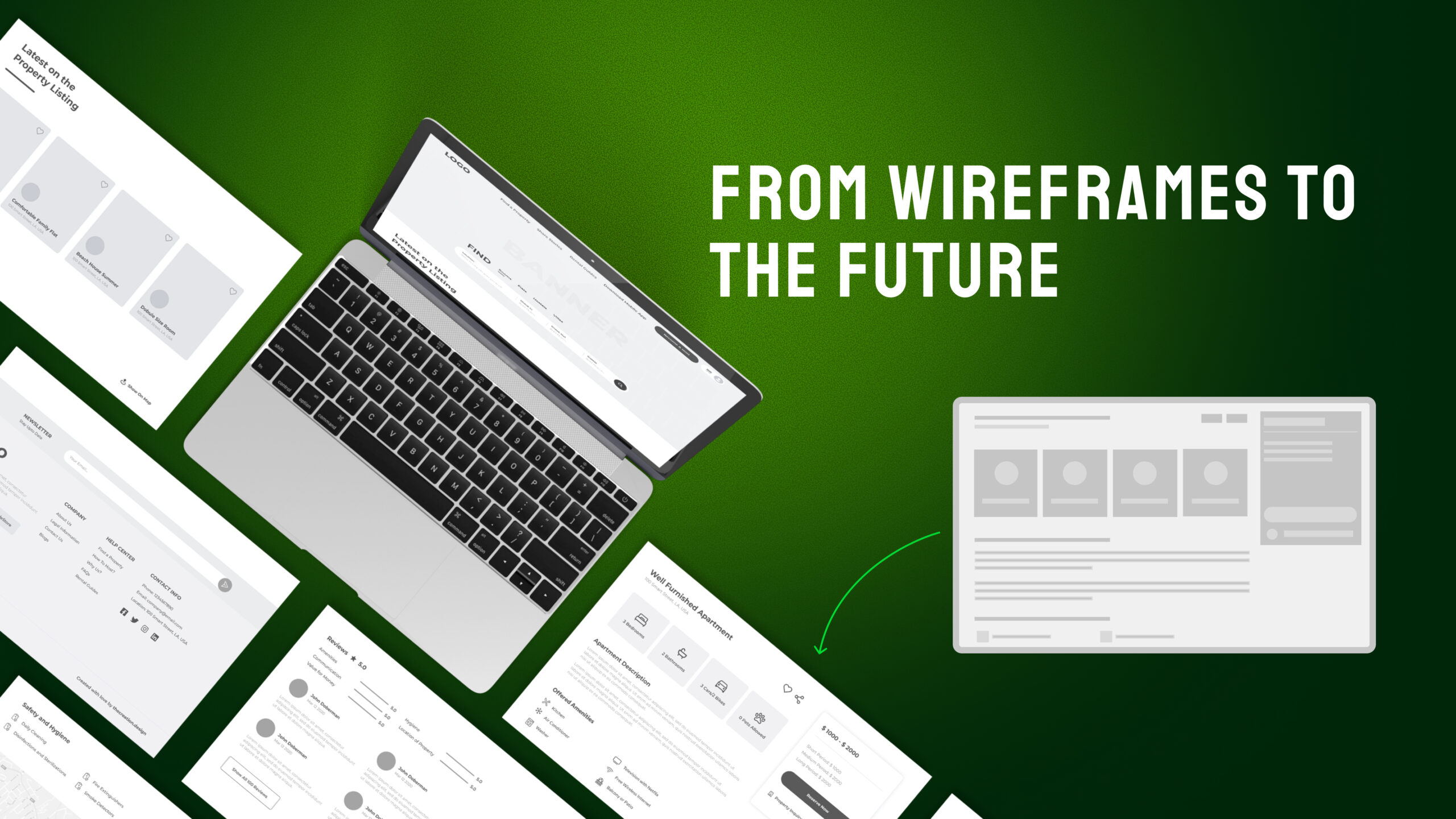
A web design wireframe is a basic visual outline of a website page. It focuses on structure rather than style. At this stage, there are no colors, animations, or detailed graphics—only layout, spacing, and content placement.
Wireframes help answer questions such as:
- What information appears first on the page?
- How is content grouped?
- Where should buttons and forms be placed?
- How does a user move from one section to another?
By removing visual distractions, wireframes allow teams to focus purely on usability and logic.
Why Web Design Wireframes Matter More Than Ever
1. They Create Clarity Early
Wireframes establish order. They define what belongs on a page and what doesn’t. This prevents overcrowding and ensures users are guided naturally through the content.
2. They Keep Business Objectives Front and Center
Every website has a purpose—lead generation, inquiries, bookings, or sales. Wireframes ensure that key actions are visible and logically placed, rather than buried beneath unnecessary elements.
3. They Reduce Rework and Delays
It’s far easier to move elements around in a wireframe than to redesign a fully styled page. Early feedback at this stage saves time, budget, and frustration later.
4. They Improve Team Alignment
Wireframes act as a shared reference point. Designers, developers, marketers, and clients can all review the same structure and contribute feedback without confusion.
From Structure to Interaction: The Role of Web Prototyping
Wireframes shape the layout; web prototyping brings the experience to life. A prototype is a simulation of how users engage with a website: clicking buttons, navigating to pages, and taking actions.
Where wireframes are static, prototypes are interactive. They demonstrate:
- Navigation behavior
- Button responses
- Page transitions
- Form steps and user flows
Prototypes give teams a sense of the site before it exists.
Why Web Prototyping Is Essential for 2026-Ready Websites
1. Real User Experience Testing
Prototypes reveal usability issues early. Confusing navigation, unnecessary steps, or unclear interactions can be identified and fixed before development begins.
2. Better Communication Between Teams
Developers can clearly understand how elements are supposed to behave. This reduces assumptions, misinterpretations, and implementation errors.
3. Faster and More Confident Approvals
Stakeholders no longer need to imagine how the website will work—they can interact with it. This speeds up decision-making and reduces uncertainty.
4. Support for Advanced Website Features
Modern websites often include multi-step forms, dashboards, service funnels, or interactive sections. Web prototyping makes it easier to test and refine these experiences.
Wireframes and Prototypes: Different Roles, Same Goal
Although often mentioned together, wireframes and prototypes serve distinct purposes:
- Web design wireframe:
- Focuses on layout, hierarchy, and structure. It is simple, static, and strategic.
- Web prototyping:
- Focuses on interaction, flow, and usability. It is dynamic and experiential.
Together, they create a clear path from idea to execution.
How Wireframing and Prototyping Are Evolving
Mobile-First Planning
Wireframes are increasingly created with mobile users in mind. Pages are designed for smaller screens first, then expanded for desktop—reflecting real-world browsing behavior.
Component-Based Layouts
Designers now plan reusable sections that can appear across multiple pages. This improves consistency and makes future updates easier.
Faster Iteration Cycles
Modern design tools enable quick changes and real-time collaboration, making it easier to refine wireframes and prototypes.
Data-Driven Decisions
User behavior insights and feedback increasingly influence layout and interaction choices, ensuring design decisions are grounded in reality.
How Eleorex Technologies Uses Wireframes and Prototypes
Eleorex Technologies (eLeoRex Technologies) approaches website design with a strong emphasis on planning and usability. Their process treats wireframes and prototypes as essential tools—not optional steps.
Purpose-Driven Wireframes
Eleorex develops web design wireframes that clearly define:
- Page purpose
- Content structure
- Navigation flow
- Key conversion points
This ensures every page has a clear role within the website.
Interactive Prototyping for Validation
Through web prototyping, Eleorex allows clients to experience how the website will function before development begins. This reduces uncertainty and ensures expectations are aligned early.
Business Benefits of Wireframing and Prototyping
Improved User Experience
Clear layouts and tested interactions result in websites that feel intuitive and easy to use.
Cost Control
Catching issues early prevents expensive fixes during development.
Faster Development
Clear direction allows developers to work efficiently without repeated revisions.
Better Conversion Performance
Strategic placement of content and actions improves engagement and results.
Why Custom Websites Depend on Wireframes and Prototypes
Custom website builds include custom features and functionality. Complexity will turn to chaos if you don’t plan the deployment as precisely as possible.
By applying web design wireframes and web prototyping, you will get:
- Custom functionality is clearly defined
- User journeys make sense
- Design aligns with business logic
- Development stays focused and efficient
Bespoke website builds are tailored to specific functionality and user journeys. Take your plan seriously, or out of complexity rises chaos.
Common Problems Prevented by Proper Planning
- Overloaded pages
- Confusing navigation
- Inconsistent layouts
- Weak calls to action
- Unclear user journeys
Wireframes and prototypes expose these issues before they reach real users.
Prototyping as a Confidence-Building Step
Prototypes make it safe to try out ideas. They help teams:
- Validate concepts early
- Gather meaningful feedback
- Improve usability
- Build internal alignment
For future-oriented websites, it provides a guarantee that imagery cannot.
Preparing Websites for the Future
Websites built for 2026 and beyond must be flexible, scalable, and easy to evolve. Strong foundations built through wireframes and prototypes enable long-term adaptability.
They allow websites to:
- Grow without losing structure
- Support new content and features
- Maintain consistency across devices
- Deliver reliable user experiences
Choosing the Right Design Partner
When hiring a web design partner, focus first on more than appearances, as we all know. A capable team will:
Follow a structured planning process
Communicate clearly
Focus on usability and outcomes
- Validate ideas before development
Eleorex Technologies demonstrates this approach by prioritizing thoughtful wireframing and prototyping in every project.
Final Thoughts
The initial stages of designing every website, from the first web page design wireframe to web prototyping in HTML and CSS, are of extreme significance in the process of Web development. These steps dictate user interaction, content consumption, and how well a website fulfills the business’s needs.
The investment in doing that work properly, heading into 2026 and beyond, is not optional. Wireframes and Prototypes are crucial techniques for building a site in the present world, that’s clear, functional, and future-proof.
With a structured approach and experienced teams like Eleorex Technologies, businesses can create websites that not only look professional but also perform consistently—today and in the years ahead.