
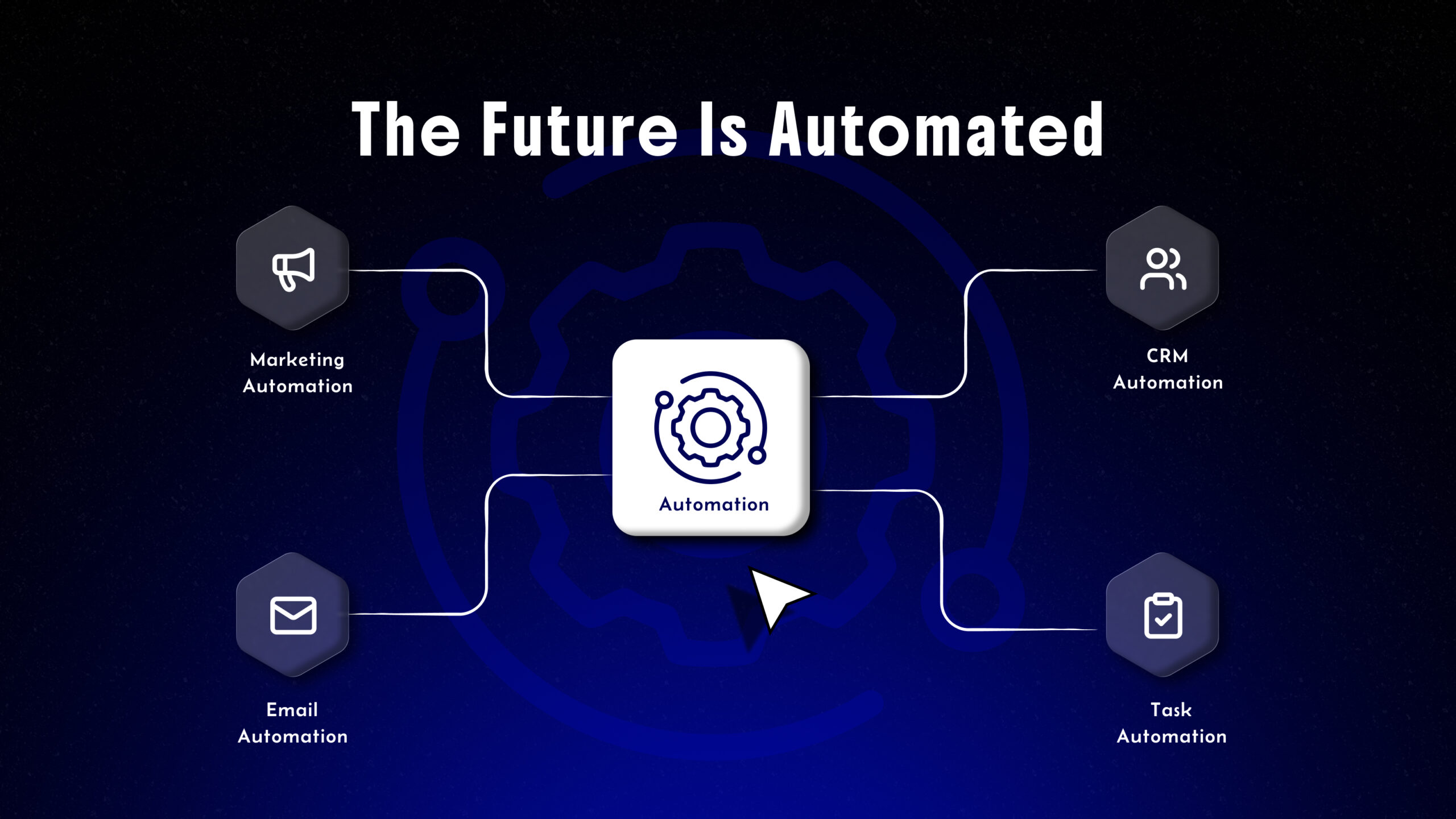
There’s a version of this article that could have been written in 2020, and it would have been about “the promise of automation.” This is not that article.
In 2026, business automation isn’t a future possibility or a competitive advantage reserved for large enterprises. It’s the operational baseline for businesses that intend to grow, and the gap between organizations that have embraced it and those still running on spreadsheets, shared drives, and manual follow-ups is widening every quarter.
At eLeoRex Technologies, we work with businesses across industries to build and implement intelligent automation across departments. What we’re seeing on the ground tells a clear story: the businesses that invested in proper systems two or three years ago are now operating at a scale that would have been impossible with their previous headcount. And the businesses still waiting are finding themselves increasingly unable to compete.
Here’s what real departmental automation looks like in 2026 and why the spreadsheet era is well and truly over.
Sales: From Manual Follow-Up to Intelligent Pipeline Management
In most businesses, the sales process leaks revenue at every stage,e not because the salespeople aren’t skilled, but because the system holding everything together is a CRM that nobody keeps updated, a spreadsheet of leads someone built three years ago, and a follow-up process that depends entirely on individual memory.
Modern sales automation in 2026 looks very different:
- Lead scoring and routing happen automatically based on engagement signals, demographic fit, and behavioural data. The right leads reach the right people without manual triage
- Follow-up sequences are triggered by actions (a demo attended, a proposal opened, a pricing page visited) rather than calendar reminders; someone might forget
- Pipelinereporting is live and accurate, not a Friday-afternoon exercise in chasing people for updates
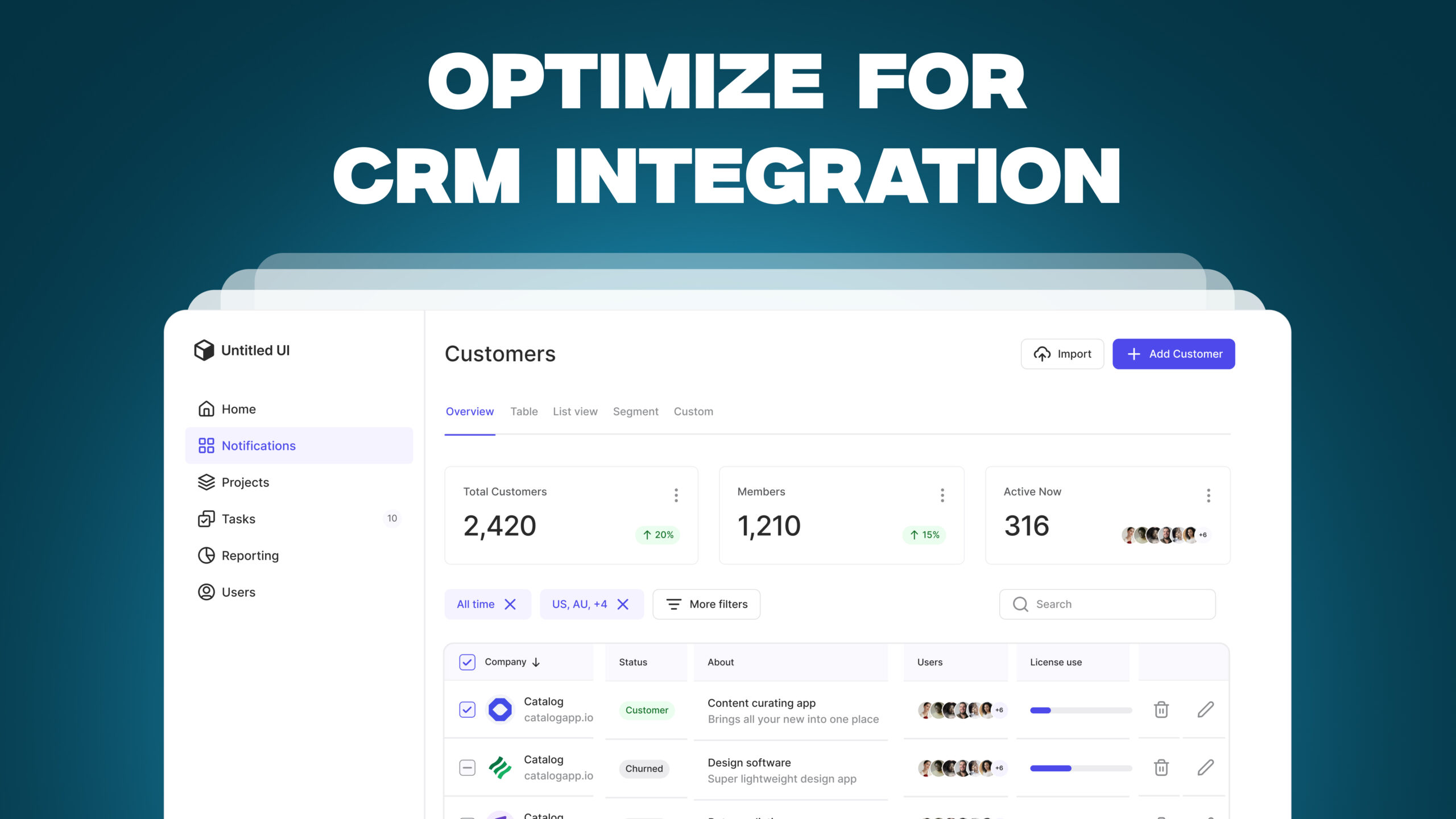
Custom CRM systems built on modern stacks don’t just store contact information. They surface the right action at the right time, dramatically reducing the cognitive load on sales teams while increasing the consistency of the process.
The result isn’t just efficiency. It’s predictability, the ability to forecast revenue with real confidence because the system is capturing and acting on data at every stage.
Operations: Replacing the Manual Coordination Layer
Operations teams in most mid-sized businesses are essentially a coordination layer, with people spending significant portions of their day chasing status updates, moving information between systems, and managing handoffs that could be automated entirely.
Process automation in operations using tools like custom workflow engines, ERP integrations, and API-connected platforms removes the manual coordination layer without removing the people who were doing it. Instead, those people shift from coordination tasks to decision-making and exception-handling, which is where their judgment actually adds value.
Concrete examples we’ve implemented for clients:
- Automated purchase order workflows that route approvals based on value thresholds and department codes, with full audit trails
- Inventory management systems that trigger restocking actions based on real sales velocity rather than manual stock checks
- Project management integration that automatically updates status dashboards when milestones are logged in connected tools
The common thread: information flows to where it’s needed, actions are taken at the right time, and humans are involved when decisions need to be made, de not when data needs to be moved.
Finance and Accounting: The Department That Automation Transforms Most Visibly
Finance is where manual processes are often most entrenched and where the cost of staying manual is most measurable.
Teams spending days on monthly closes, reconciling data pulled from three different systems into a master spreadsheet, manually matching invoices to purchase orders, building financial reports from scratch every reporting cycle,cle this is still the reality in a large number of businesses. And it doesn’t have to be.
Automated finance operations in 2026 include:
- Real-time dashboards that pull live data from accounting platforms, payment processors, and banking integrations,tions eliminating the reporting lag entirely
- Automated invoice processing matching that handles routine reconciliation without human intervention, flagging exceptions for review. review
- Cash flow forecasting models that update continuously based on actual transaction data rather than monthly snapshots
The shift isn’t just about saving hours. It’s about the quality of financial insight available to leadership,p moving from monthly backward-looking reports to continuous forward-looking visibility.
HR and People Operations: Paperwork Replaced With Process
Hiring, onboarding, leave management, a nd performance cycles in most organizations each involve a combination of emails, shared documents, and manual tracking that’s both inefficient and fragile.
Modern HR automation addresses the full lifecycle:
- Applicant tracking systems that automate screening, scheduling, and communication at every stage of the hiring process
- Onboarding workflows that automatically provision accounts, schedule introductions, assign training, and collect documentation so a new hire’s first week is a good experience rather than an administrative scramble
- Leave and attendance systems are integrated with payroll, so approvals, calculations, and records are maintained without manual data entry. The downstream effect of getting this right is significant. Employee experience during hiring and onboarding directly impacts retention. When the first impression of a company is a disorganized process held together with email chains, it signals something about how the organization values its people.
Marketing: Moving From Campaign Execution to Intelligent Orchestration
Marketing automation has been around long enough that most businesses think they have it. They have an email tool. Maybe a scheduling platform for social. Perhaps a basic CRM integration.
What they usually don’t have is true marketing orchestration where the entire customer journey, from first touch to post-purchase, is connected and responsive.
In 2026, sophisticated marketing automation means:
- Behavioural triggers that personalize content and offers based on what a specific user has done, not just which segment they belong to
- Multi-channel journey automation where a website visit, an email interaction, a social ad click, and a sales conversation are all connected and inform each other.
- Attribution modelling that shows which touchpoints are actually driving revenue, so marketing investment can be allocated based on evidence rather than assumption
The gap between businesses running disconnected campaign tools and those operating genuinely integrated customer journeys is enormous, and it shows in acquisition costs and customer lifetime value.
The Spreadsheet Problem: Why It’s Bigger Than You Think
Spreadsheets are extraordinarily flexible. That flexibility is also their fatal flaw.
A spreadsheet can model any process. It can’t enforce that process. It can’t update in real time. It can’t notify the right person when something needs attention. It can’t integrate with the other systems your business runs on without someone manually exporting and importing data. And it can’t scale every new team member, every new product line, every new market, adds complexity that a spreadsheet absorbs until it breaks.
Businesses still running core operations on spreadsheets aren’t just inefficient. They’re operating with a structural ceiling on how large and how fast they can grow,w and in most markets, their competitors have already removed that ceiling.
What Automation Actually Requires
The most common misconception about business automation is that it requires displacing existing systems entirely and starting from scratch. In reality, the best automation projects we run at eLeoRex start with understanding what already exists and building intelligent layers on top of it.
We integrate with your existing accounting platforms, CRMs, HR tools, and eCommerce systems. We build custom workflow engines where off-the-shelf tools don’t fit. We connect disconnected systems through API integrations that let your data flow where it needs to go. And we build the dashboards and reporting layers that make all of this visible to the people who need to act on it.
The goal isn’t automation for its own sake. It’s giving your business the operational foundation to grow without everything breaking under the weight of its own complexity.
The Question Isn’t Whether tautomate, it’s which department first
For businesses that haven’t yet invested in serious automation, the question is rarely “should we?” The question is “where do we start?”
The answer depends on where your current systems are causing the most pain, and whether that’s a sales process that leaks revenue, an operations function drowning in coordination overhead, a finance team buried in manual reporting, or an HR process that makes onboarding harder than it needs to be.
Starting with one department, getting it right, and building from there is more effective than trying to transform everything at once. The important thing is to start.
Ready to identify where automation can make the biggest difference in your business? Talk to the eLeoRex technology team →
eLeoRex Technologies builds custom web, mobile, AI, and automation solutions for businesses across industries. From CRM and ERP development to AI-powered workflows, we help organizations replace manual processes with intelligent systems that scale. Explore our services or reach out directly to start a conversation.