
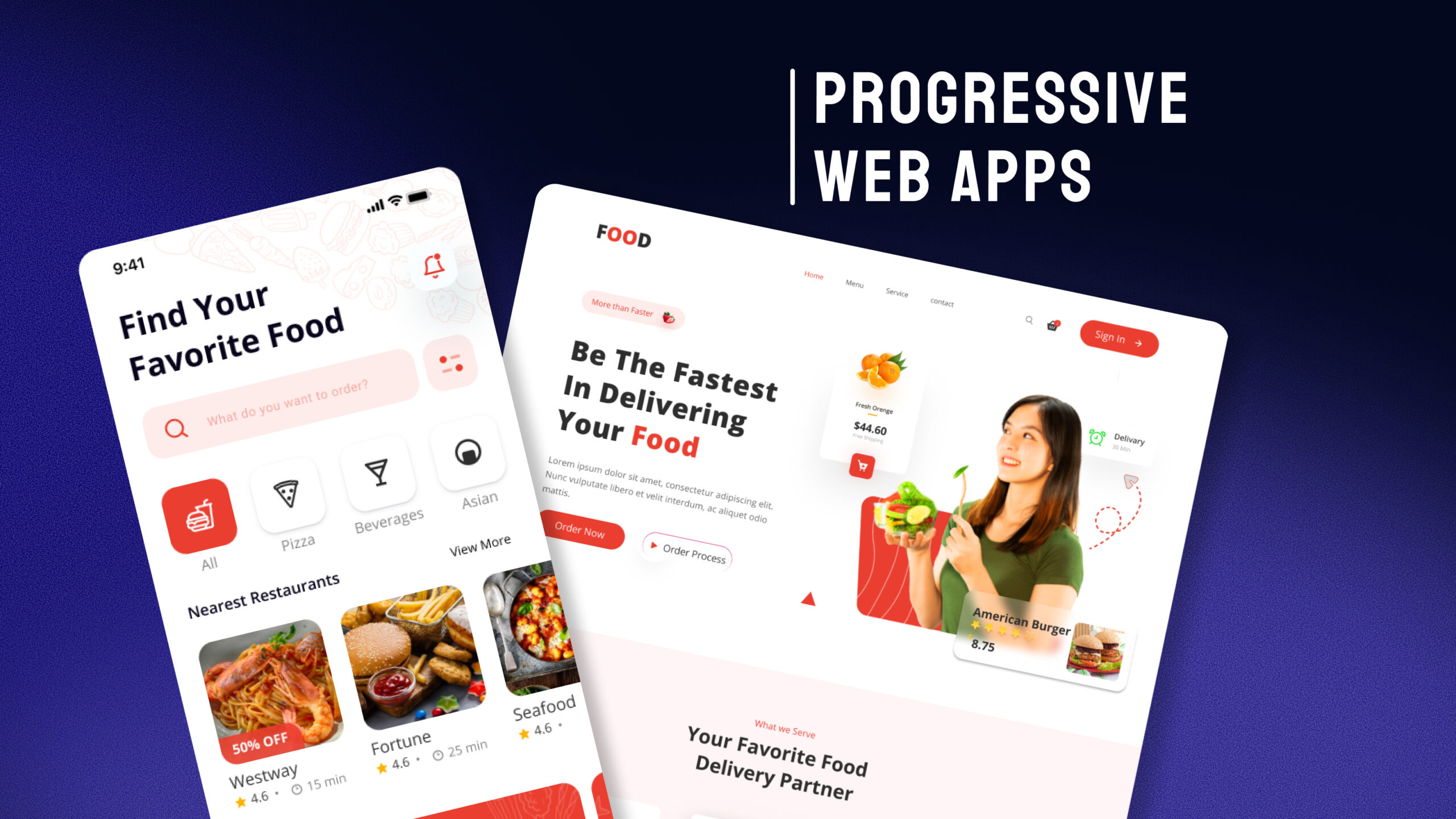
The digital world is constantly evolving, and users now expect websites to be as fast, smooth, and convenient as mobile applications. At the same time, businesses want cost-effective solutions that help them reach customers across multiple devices. This is where Progressive Web Apps, commonly known as PWAs, are changing the game.
Progressive Web Apps combine the accessibility of websites with the performance and user experience of mobile apps. They offer a modern solution for businesses that want to provide engaging digital experiences without developing separate applications for different platforms.
What Are Progressive Web Apps?
A Progressive Web App is a web application built using modern web technologies that behaves like a native mobile app. Users can access it through a browser, but it also offers app-like features such as offline functionality, push notifications, and home screen installation.
Unlike traditional mobile apps, PWAs do not require users to visit an app store to download them. A visitor can open the website and choose to install it directly on their device.
This makes PWAs faster to access, easier to maintain, and more affordable for businesses.
Why PWAs Are Becoming Popular
Businesses and developers are increasingly adopting PWAs because they solve common problems associated with websites and mobile apps.
Traditional websites may lack speed and engagement, while native mobile apps often require expensive development, updates, and downloads. Progressive Web Apps bridge this gap by combining the strengths of both.
Users enjoy smooth navigation and quick loading, while businesses benefit from wider reach and lower costs.
Key Features of Progressive Web Apps
Fast Performance
PWAs are designed to load quickly, even on slow internet connections. They use caching technologies that store important data locally, reducing wait times and improving user satisfaction.
Offline Access
One of the biggest advantages of PWAs is that they can work without a stable internet connection. Users can continue browsing certain content even when offline.
Mobile App Experience
PWAs feel like mobile apps. They offer full-screen experiences, smooth transitions, and responsive layouts that adapt to any screen size.
Push Notifications
Businesses can send notifications directly to users, helping increase engagement, promote offers, or share updates.
Home Screen Installation
Users can add a PWA to their home screen without downloading from an app store. This creates quick access and a stronger brand presence.
Benefits for Businesses
Lower Development Cost
Instead of creating separate Android, iOS, and desktop apps, businesses can build one PWA that works across multiple devices and platforms.
Better User Engagement
Features like push notifications, faster speed, and app-like usability encourage users to return more often.
Increased Conversion Rates
When websites load quickly and offer smooth navigation, visitors are more likely to complete purchases, sign up, or take action.
Easier Maintenance
PWAs are easier to update than native apps because updates happen through the web rather than requiring users to install new versions manually.
Wider Reach
Since PWAs are accessible through browsers, businesses can reach users instantly through search engines, links, and social media.
Industries Using PWAs
Many industries are benefiting from Progressive Web Apps, including:
- E-commerce: Faster shopping experiences and higher conversionsTravel: Easy booking systems and offline itinerary access
- News & Media: Quick content delivery and notifications
- Education: Accessible learning platforms on any device
- Healthcare: Appointment systems and patient portals
Both startups and established brands are adopting PWAs to improve digital performance.
Why Users Prefer PWAs
Modern users want convenience. They do not always want to download large apps or wait for slow websites to load. PWAs offer a simple middle path.
Users can visit a site instantly, enjoy app-like features, and save storage space on their devices. This frictionless experience is one reason PWAs continue to grow in popularity.
Are PWAs the Future?
Progressive Web Apps are not replacing all native apps, but they are becoming a strong choice for many businesses. For companies focused on speed, accessibility, and budget-friendly development, PWAs offer a smart long-term solution.
As internet usage grows and mobile browsing continues to dominate, the demand for faster and smarter digital experiences will only increase.
Conclusion
Progressive Web Apps are where websites truly meet mobile apps. They combine the reach of the web with the functionality of native applications, creating faster, more engaging, and cost-effective solutions.
For businesses looking to improve user experience and stay competitive, investing in a PWA can be a smart move. It offers the best of both worlds, helping brands connect with users anytime, anywhere, and on any device.