
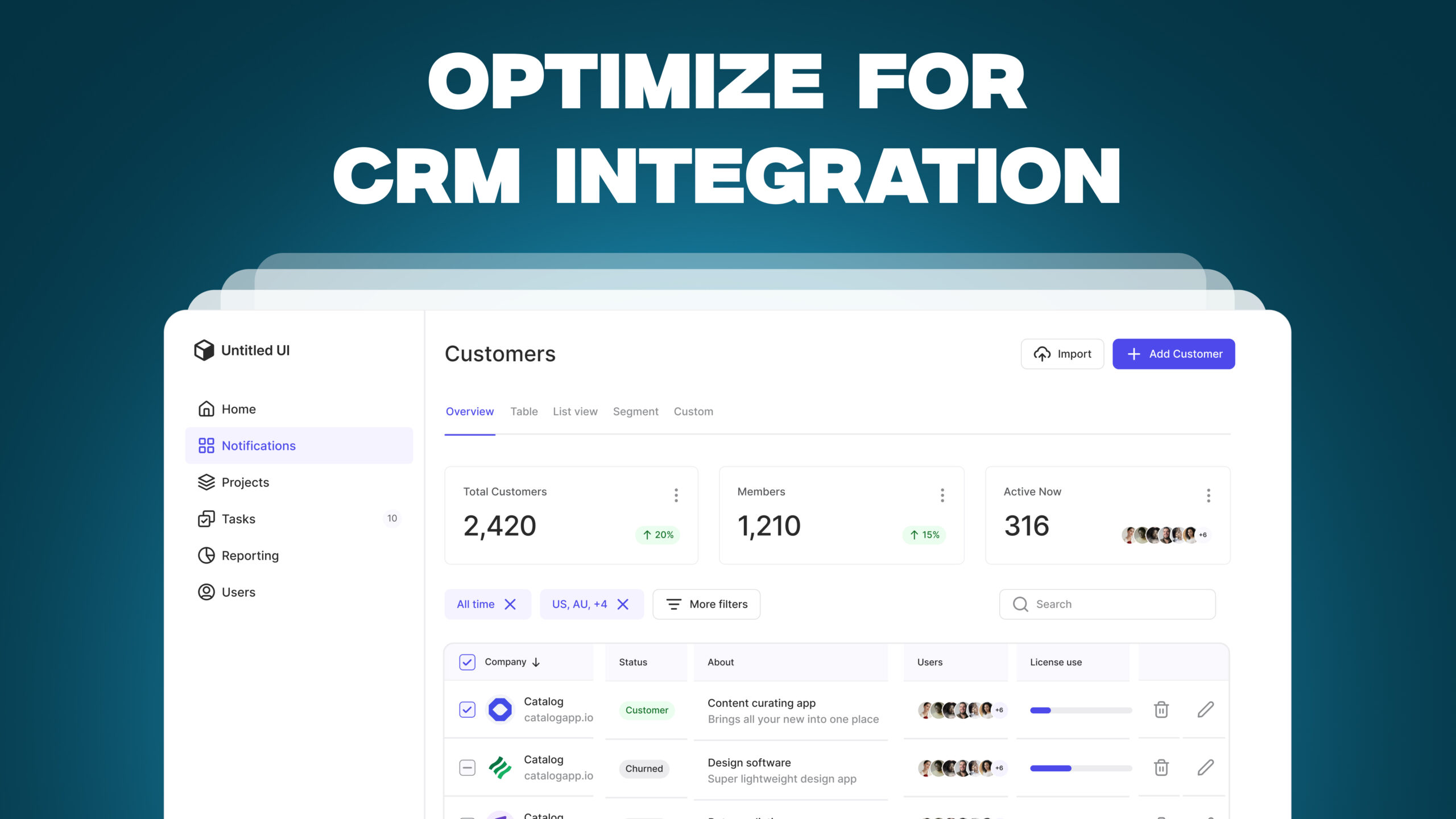
The global CRM market is projected to reach roughly 126 billion dollars in 2026, growing at a compound annual growth rate above 12 percent toward well over 300 billion dollars by 2034. Adoption is now near-universal among established businesses, with surveys putting CRM usage above 90 percent among companies with ten or more employees. Yet a significant share of CRM implementations still fail to meet their objectives, and the most consistently cited cause is not the CRM platform itself; it is the state of the website and data feeding into it.
For businesses evaluating automation and CRM integration, technical readiness has become the deciding factor between a system that runs itself and one that requires constant manual correction.
Why Readiness Matters Before the Tools Are Added
Bolting automation onto a site that is not structured for it tends to surface, rather than solve, existing problems: duplicate leads, inconsistent data, and workflows that break the moment they encounter an edge case. Getting the underlying structure right first is what determines whether every tool added afterward actually functions as intended.
The Technical Signals of an Automation-Ready Website
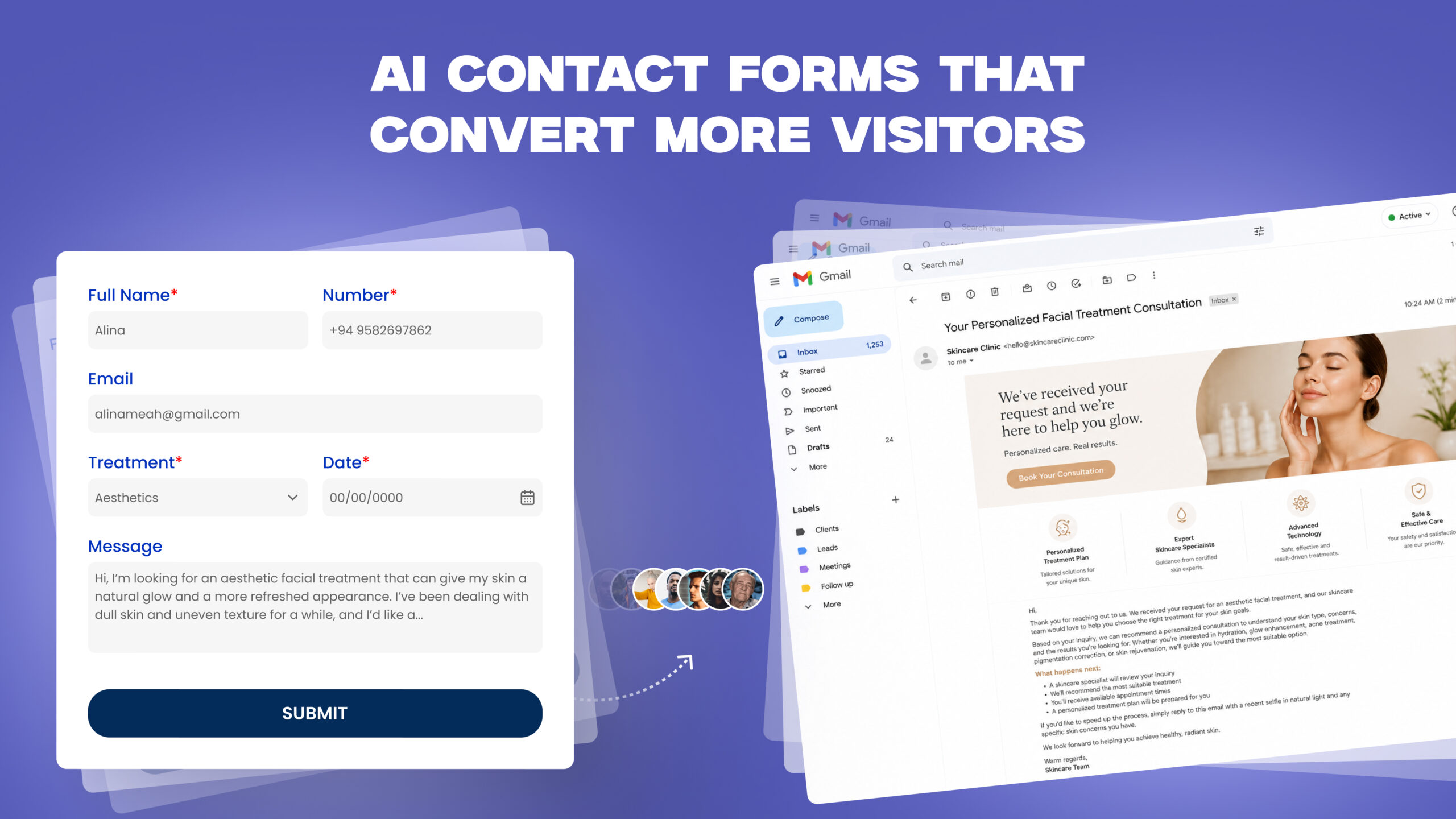
Clean, structured lead-capture points are the starting point. When a contact form, a quote request, and a newsletter signup each capture information differently, automation has no consistent data to act on. Standardizing those fields is typically the first, and most overlooked, step in any integration project.
The underlying platform matters just as much. Older content management systems and heavily customized page builders frequently cannot support the real-time interactions automation depends on. A site built on custom web development or a modern framework gives automation the flexibility it needs, particularly the ability to connect and exchange data through APIs, which CRM integration depends on entirely.
Defining What the Data Should Actually Capture
Technical capability alone is not sufficient. Before connecting a CRM, it is worth mapping exactly which fields matter for a given sales process, service interest, budget, location, and timeline so that automation and CRM development are built around information the sales team actually uses, rather than generic defaults inherited from a template.
What Distinguishes a Genuinely Automation-Ready Website
- Consistent, structured data across every lead-capture point on the site
- A platform capable of secure, reliable API connections
- Defined lead-qualification fields agreed on by sales and marketing
- A clear scope for what should be automated first: response, routing, or nurture
- Ongoing ownership of the integration rather than a one-time setup
Why This Matters Most for Growing, Multi-Channel Businesses
The readiness gap becomes most visible for businesses adding channels faster than their backend can absorb them, a company running paid ads, a WhatsApp line, and a contact form simultaneously, for example. Without a structured foundation, each channel tends to generate its own disconnected pool of leads, and the business ends up managing three inconsistent systems instead of one coherent pipeline.
eLeoRex Technologies begins CRM and automation projects with a technical and data audit, then delivers the specific upgrades a site needs, whether through custom web development or direct CRM development integration, so automation is built on a foundation designed to support it. To learn more, talk to our experts.