
The global marketing automation software market is projected to grow from roughly 8 billion dollars in 2026 to well over 15 billion dollars by 2030, expanding at a compound annual growth rate above 13 percent. The growth is being driven less by demand for more marketing tools and more by a shift in what businesses expect a website to do: convert a higher share of the traffic they already have, rather than simply attract more of it.
For SaaS companies, service businesses, and B2B firms competing for the same search and paid traffic, smart automation is what determines whether a visitor becomes a tracked, qualified lead or simply leaves the way they arrived.
Why Traffic Volume No Longer Predicts Pipeline
Landing page benchmarks show that the median conversion rate across industries sits around six to seven percent, with mobile traffic, which drives the large majority of visits on most sites, converting noticeably below desktop. AI-powered personalization has been shown to lift conversion by roughly 40 percent where it is implemented well, while personalized calls-to-action convert at more than double the rate of generic ones. The gap between businesses capturing that lift and those that are not is increasingly an automation gap, not a traffic gap.
The Automation Layers Behind the Shift
Behavior tracking is the foundation: which pages a visitor views, how long they stay, and what they scroll past all generate signals that can trigger the right next action. On top of that, dynamic content—adjusting headlines, case studies, or calls-to-action based on referral source or visitor behavior—lets a site show different proof points to different audience segments without maintaining separate pages manually. This is a core part of the custom web development work we do for clients whose sites need to actively adapt to who is visiting.
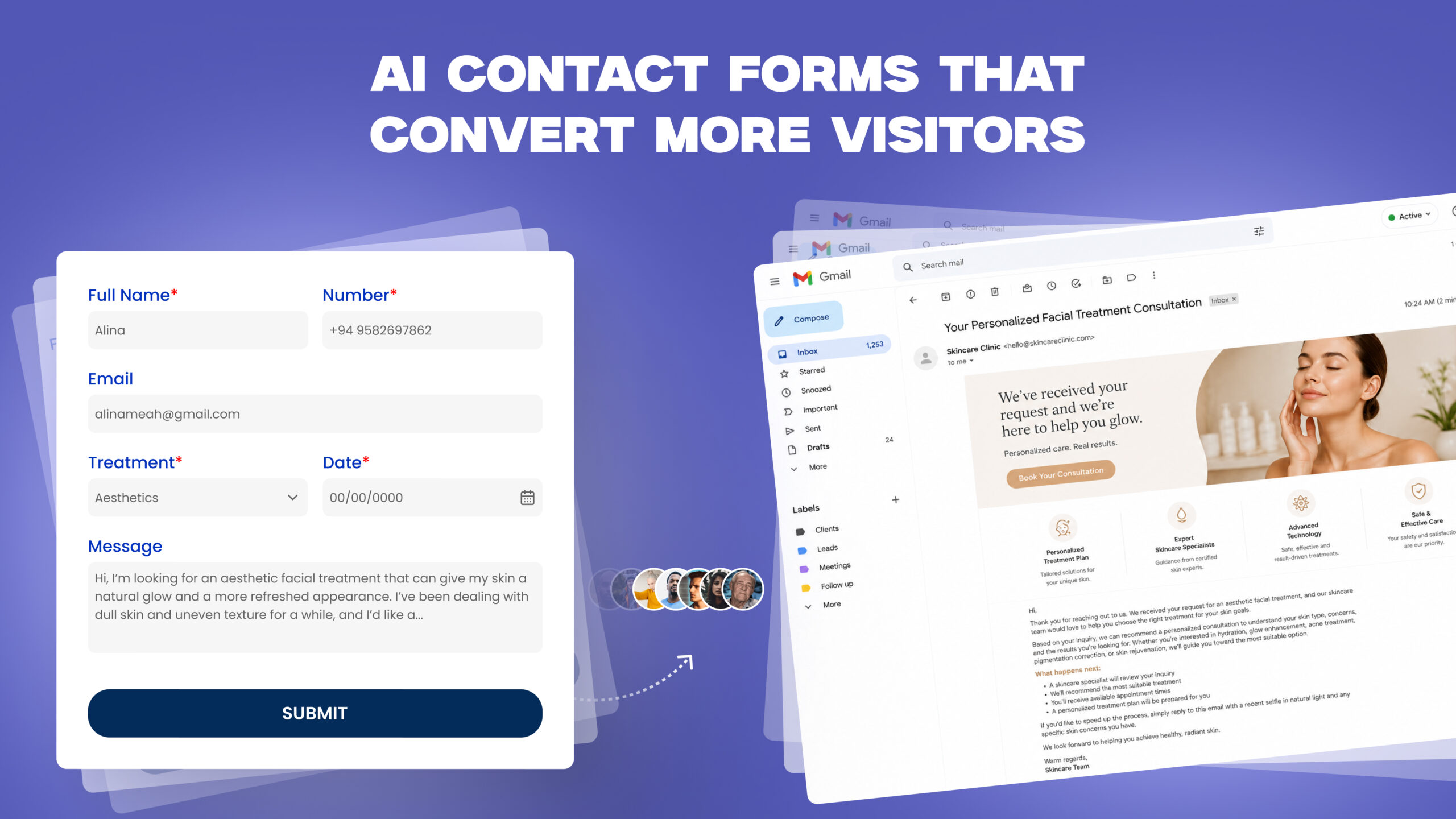
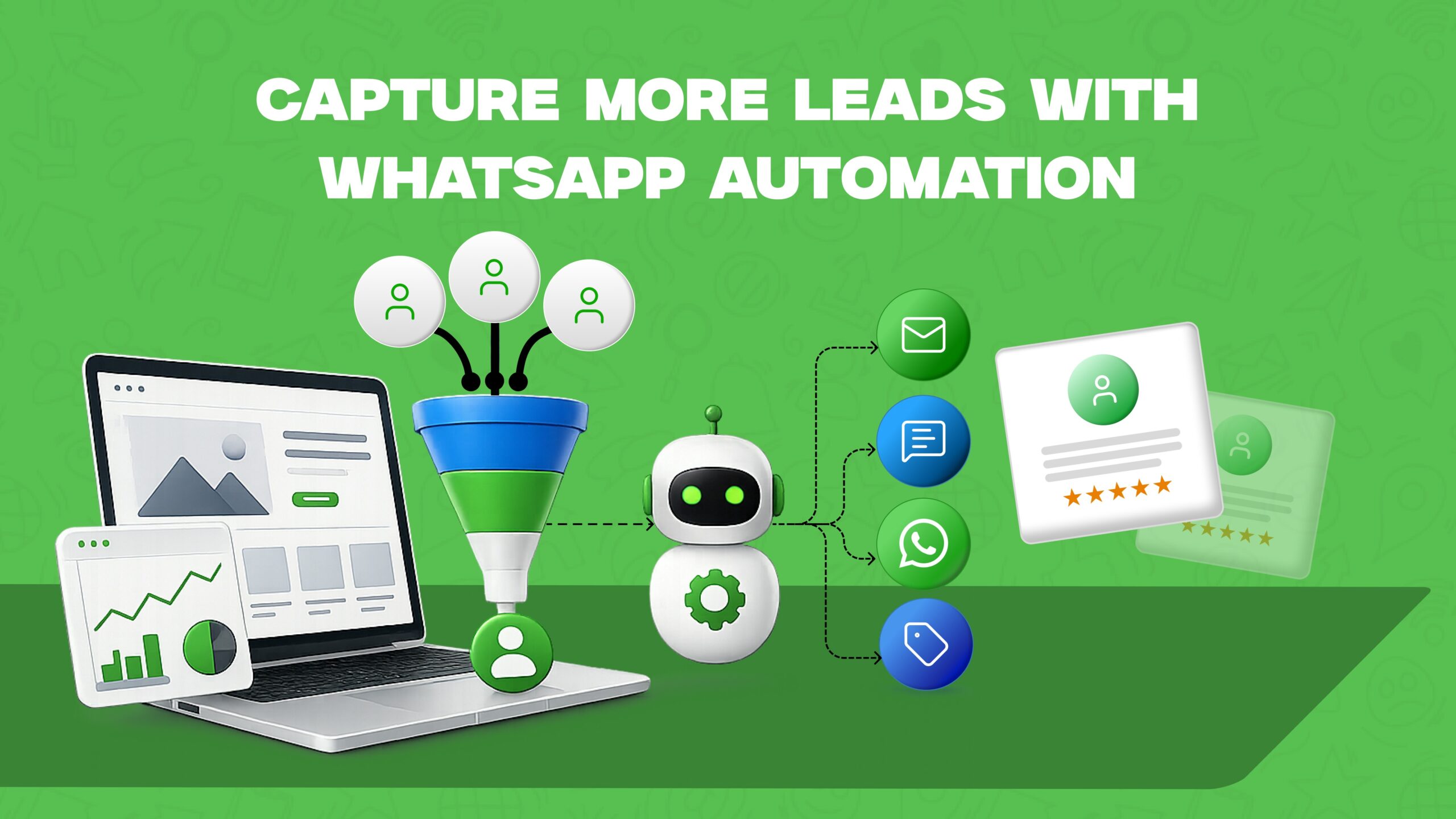
Conversational capture adds a further layer. A chat or WhatsApp prompt that appears after a visitor shows genuine interest, rather than the instant they land, converts meaningfully better than a static contact form positioned at the bottom of the page. Our chatbot and conversational AI services are built specifically around this kind of timed, contextual engagement.
Scoring and Nurture Close the Loop
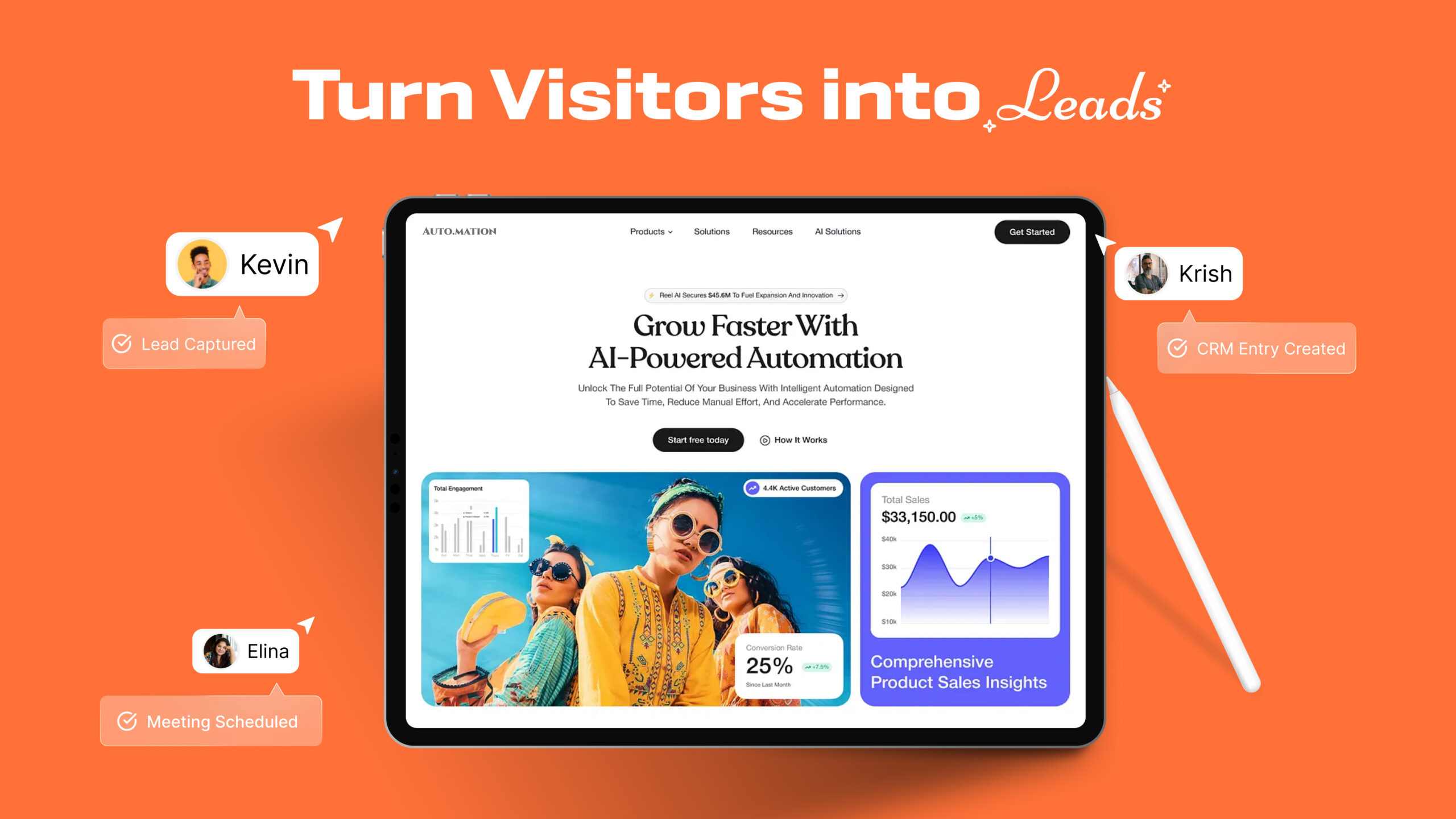
Once a visitor engages, whether by downloading content, starting a chat, or submitting a form, automation can assign a score based on how sales-ready they appear, so teams know which leads warrant a call today rather than next week. Leads that are not immediately ready move into automated nurture sequences instead of falling out of the funnel entirely, keeping the relationship active until intent catches up with interest.
This closing layer is where a well-structured inbound marketing strategy compounds over time, turning a single visit into a tracked relationship rather than a one-time impression.
What Distinguishes a Site Built for Conversion, Not Just Traffic
- Behavior tracking connected to real triggers, not passive analytics dashboards alone
- Dynamic content tied to referral source and visitor segment
- Chat or WhatsApp engagement timed to genuine intent signals
- Lead scoring models that are reviewed and refined against real outcomes
- Nurture sequences that activate automatically rather than depending on manual follow-up
Automation Depends on a Fast, Stable Foundation
None of these layers perform well on a slow or inconsistently built site. Page speed remains one of the strongest predictors of conversion, with each additional second of load time measurably reducing conversions, which is why automation is typically most effective when paired with a modern, performance-first framework rather than layered onto a struggling legacy build.
eLeoRex Technologies combines web development with AI & machine learning to build visitor-to-lead automation directly into a site’s architecture, so tracking, personalization, and follow-up work as one connected system rather than separate tools. To learn more, talk to our experts.