
WhatsApp has grown into the largest business messaging platform in the world, with more than three billion monthly active users and message open rates approaching 98 percent, far ahead of email and SMS. Enterprise adoption of the WhatsApp Business API is projected to reach roughly 80 percent of large organizations by the end of 2026, and chatbot-driven conversations on the platform have expanded sharply over the past two years as businesses move qualification and support workflows onto the channel.
This growth is not simply about being present on another channel. For service businesses, e-commerce brands, and B2B companies competing for the same pool of inbound inquiries, WhatsApp automation is increasingly evaluated on how effectively it captures, qualifies, and routes a lead in the minutes that decide whether a prospect stays or moves on to a competitor.
Why a Chat Widget Alone No Longer Wins the Lead
Response speed has become one of the strongest predictors of conversion. Research from MIT and Harvard Business Review, built on tens of thousands of sales leads, found that contacting a prospect within five minutes makes a business dramatically more likely to qualify that lead than waiting even thirty minutes, yet most companies still take hours, not minutes, to reply to a new inquiry.
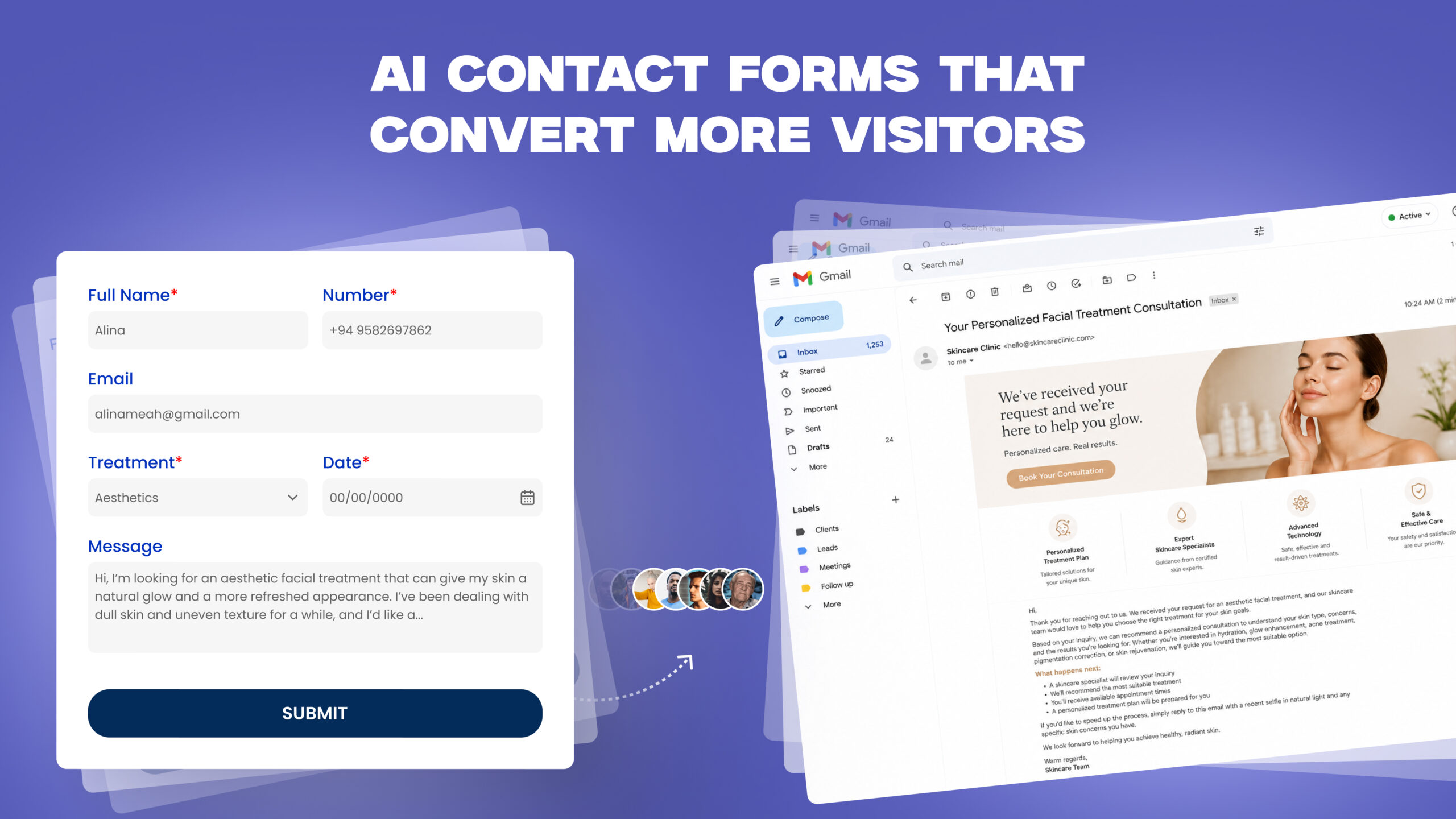
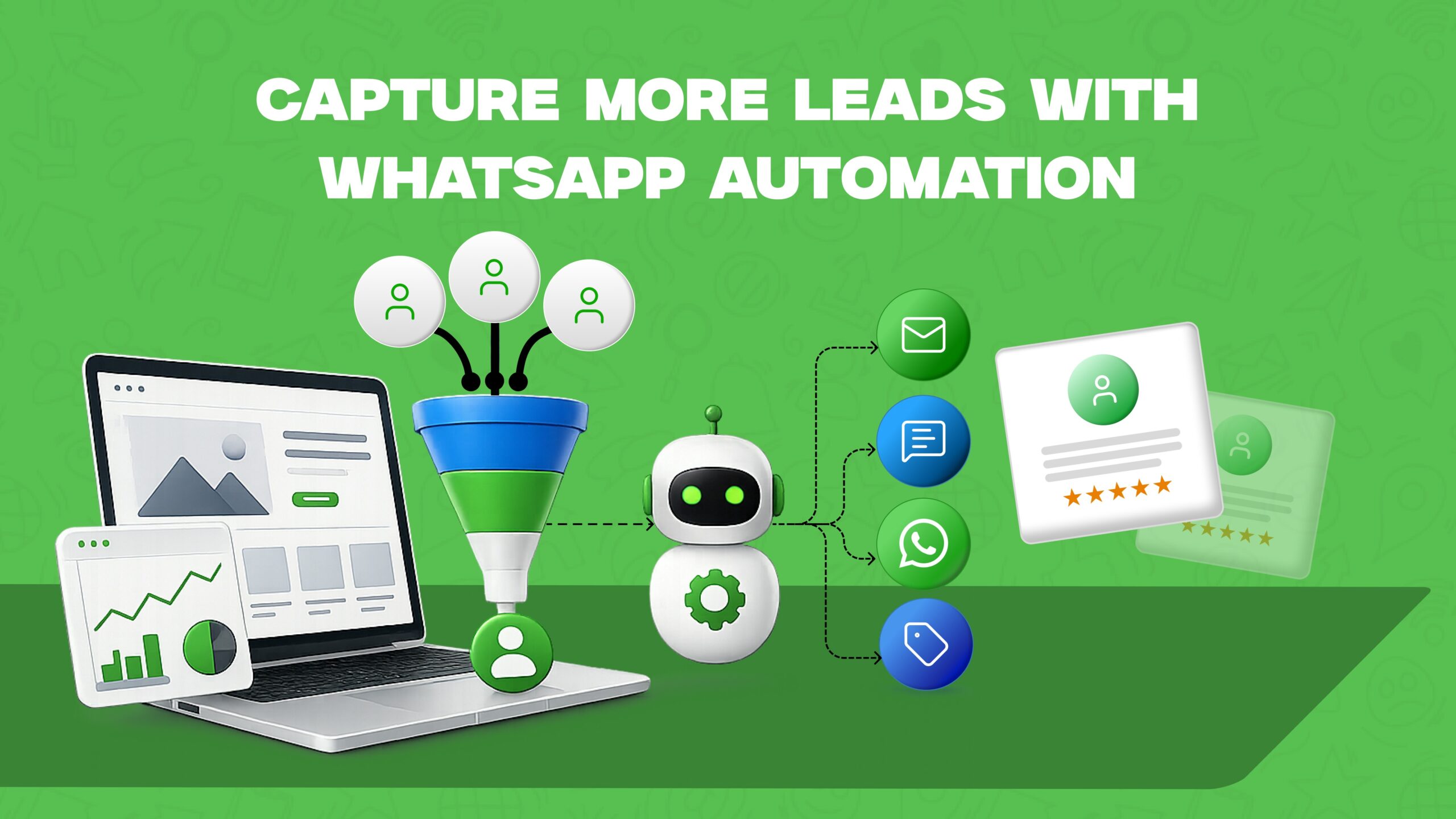
WhatsApp automation closes that gap by design. An automated flow can acknowledge a new message instantly, ask the right qualifying questions, and share pricing, catalogues, or booking slots before a competitor has even opened their inbox. This is the layer we build through our Chatbot and Conversational AI services, structured around a business’s actual sales process rather than a generic auto-reply.
Redefining Expectations from Automated Messaging
Businesses adopting WhatsApp automation are now expected to meet a higher standard than a simple keyword-triggered bot. Structured qualification flows, quick-reply buttons, product catalogues, and appointment booking inside the chat window have become baseline features rather than differentiators.
Compliance has also become a fixed requirement rather than an afterthought. WhatsApp Business Policy governs opt-in consent and messaging frequency, and businesses handling sensitive inquiries, healthcare, financial services, and legal are expected to demonstrate clear data-handling practices within their automated flows.
Operational Integration Between WhatsApp and the Sales Pipeline
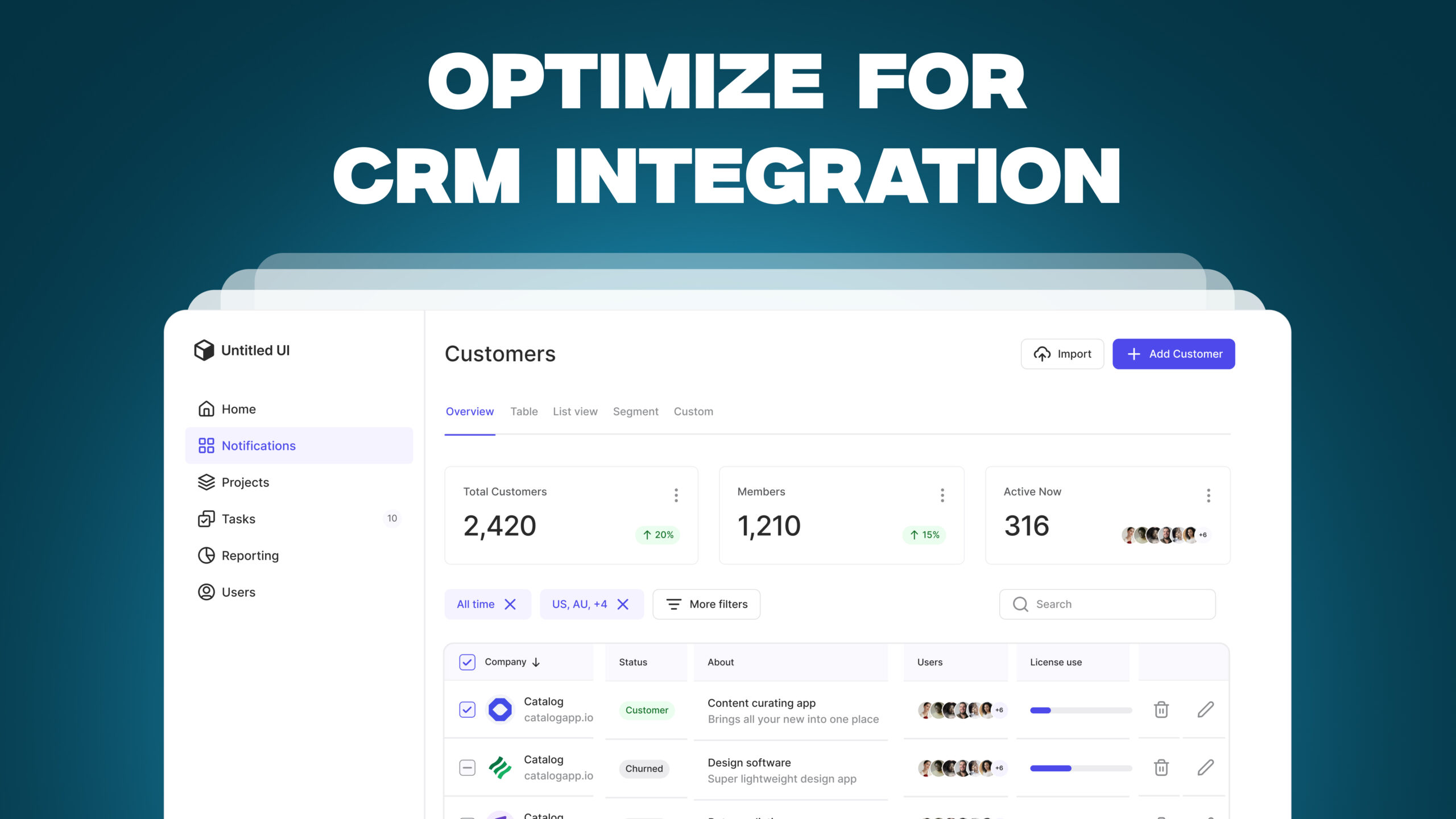
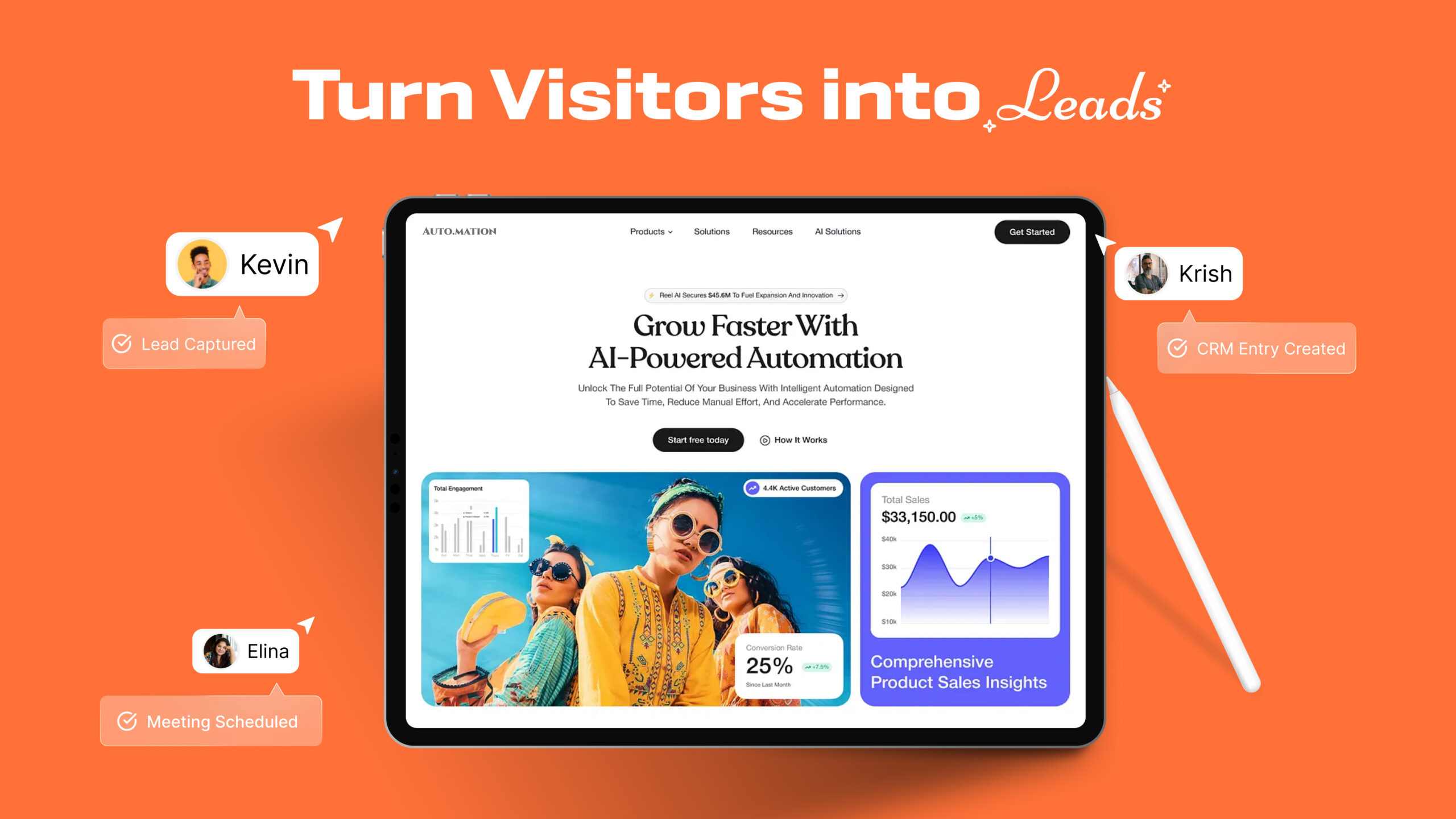
The more significant shift is structural. Instead of treating WhatsApp as an isolated inbox managed from a phone, mature businesses connect it directly to their sales operations. Once a conversation is qualified, it can be routed automatically to the right team member and logged into the CRM with full context, eliminating manual transcript copying and unassigned leads. This is where our CRM Development work becomes relevant: WhatsApp stops functioning as a side channel and becomes a genuine extension of the pipeline.
Automation and the Continued Role of Human Teams
Automation handles the repetitive first layer of a conversation, acknowledgment, basic qualification, and routing, but it does not replace the sales conversation itself. Human-in-the-loop handoff remains essential once a lead is genuinely ready to talk, particularly for higher-value or more complex inquiries where context and judgment matter.
What Distinguishes a Mature WhatsApp Automation Setup
As adoption of the WhatsApp Business API continues to climb toward near-universal enterprise use, not every implementation will deliver the same results. Mature setups typically include:
- An official WhatsApp Business API integration rather than the limited free app
- Structured qualification flows mapped to the actual sales process
- Direct CRM sync with full conversation context
- Documented opt-in and data-handling compliance
- A defined handoff point between automation and a human sales rep
Businesses relying on ad hoc, unintegrated messaging tend to see leads sit unassigned or lose context between the chat and the CRM, undermining the very speed advantage WhatsApp is meant to provide.
WhatsApp Automation for Service and E-Commerce Businesses
For service businesses and e-commerce brands running paid campaigns, click-to-WhatsApp advertising has increasingly replaced traditional landing-page funnels, letting a prospect move from an ad directly into a qualifying conversation rather than a static form. Retailers using automated WhatsApp flows to recover abandoned carts and confirm orders have reported meaningfully higher conversion and lower cost-per-lead compared with email-only follow-up, underscoring why the channel is being treated as a core part of the funnel rather than a support add-on.
eLeoRex Technologies builds WhatsApp automation as a structured extension of a business’s website and CRM, combining Chatbot and Conversational AI with direct CRM Development integration so every conversation converts into a tracked, actionable lead. To know more, talk to our experts.